Top 10 Semiconductor Stocks in India: Fabs, OSAT & Chip Design
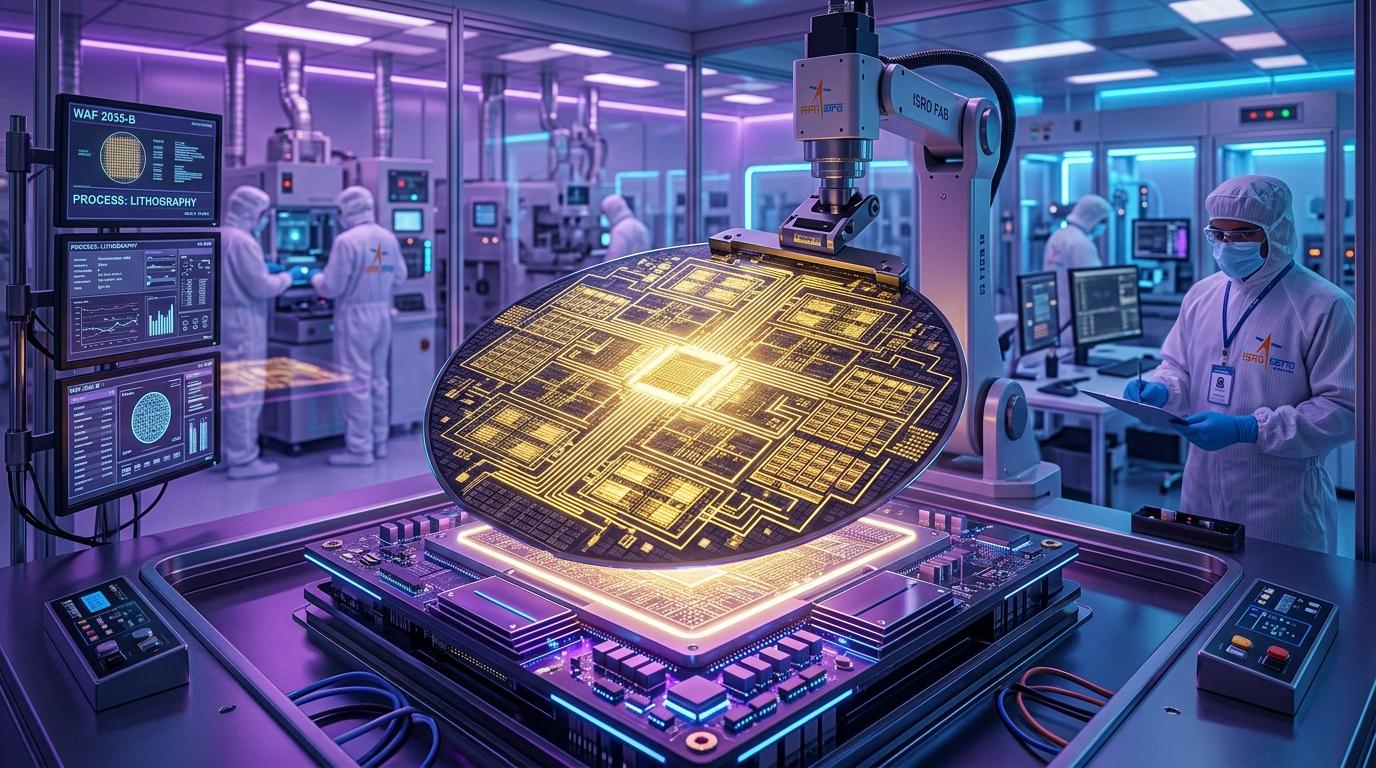
Semiconductor microchips form the foundational technological backbone of the modern global economy. Catalyzed by the Government of India's ₹76,000-Crore India Semiconductor Mission (ISM), India is establishing commercial silicon wafer fabrication plants, advanced OSAT packaging facilities, and specialty materials infrastructure. Backed by 50% central capital subsidies and 15%–25% state incentives, domestic industrial leaders like Tata Electronics, CG Power, and Kaynes Technology are partnering with global technology giants (PSMC, Renesas) to localize the entire semiconductor value chain.
Semiconductor microchips are universally recognized as the foundational technological backbone of the twenty-first century global economy. From everyday smartphones, 5G telecommunication base stations, and electric vehicle battery controllers to high-precision aerospace navigation systems, smart grid infrastructure, and AI high-density computing clusters, virtually every electronic apparatus depends fundamentally on silicon microprocessors, memory dies, and power management integrated circuits.
Historically, global semiconductor fabrication was heavily concentrated in East Asia—primarily Taiwan (TSMC), South Korea (Samsung, SK Hynix), and China—creating severe vulnerability to geopolitical disruptions, trade restrictions, and natural calamities. In response, nations worldwide have enacted aggressive sovereign chip policies. In India, the central government's flagship ₹76,000-Crore India Semiconductor Mission (ISM) has catalyzed a historic wave of domestic capital expenditure, attracting global technology giants and domestic conglomerates to build commercial silicon fabrication plants, Outsourced Semiconductor Assembly and Test (OSAT) units, and specialized electronic materials infrastructure. In this comprehensive 2026 sector guide, we audit the top 10 listed semiconductor ecosystem stocks on the NSE and BSE, examine approved mega-projects, and provide a disciplined valuation framework for long-term investors.
1. The Four Specialized Stages of the Semiconductor Value Chain
To evaluate technology business models accurately, investors must distinguish between the four highly specialized operational tiers of semiconductor production:
| Value Chain Stage | Core Engineering Activity | Capital Intensity & Gestation | Key Indian Players & Listed Stocks |
|---|---|---|---|
| 1. Fabless Chip Design & EDA | Architecting digital logic circuits, verification testing, and Electronic Design Automation (EDA) | Low Capex, High R&D (Asset-Light, 6–18 months cycles) | MosChip Technologies, Tata Elxsi, Cyient |
| 2. Front-End Wafer Fabrication (Fabs) | Photolithographic chemical deposition, etching, and ion implantation on 300mm silicon wafers | Extreme Capex ($5B to $15B per fab, 3–4 years construction) | Tata Electronics (Dholera Mega Fab with Taiwan's PSMC) |
| 3. Back-End OSAT / ATMP Packaging | Dicing silicon wafers into dies, ball grid array wire bonding, substrate packaging, and testing | Moderate Capex ($300M to $1.5B, 18–24 months construction) | CG Power (Sanand), Kaynes Semicon, SPEL Semiconductor |
| 4. Specialty Gases & Chemical Inputs | Manufacturing ultra-pure electronic gases (Nitrogen, Argon, Silane) and CMP polishing slurries | Medium Capex, High Regulatory Entry Barriers | Linde India, Navin Fluorine International, Chemcon Speciality |
2. Master Benchmark Table: Top 10 Semiconductor Ecosystem Stocks in India (2026)
The comparative matrix below benchmarks the 10 leading listed companies participating directly across India's domestic semiconductor ecosystem:
| Company Name | Segment | Global Technology Partner | Announced Capex Outlay | Trailing P/E | Core Role in Semiconductor Ecosystem |
|---|---|---|---|---|---|
| CG Power & Industrial Solutions | OSAT / ATMP Packaging | Renesas (Japan) & Stars Micro | ₹7,600 Cr | 65x – 75x | Sanand OSAT unit producing automotive & industrial power chips |
| Kaynes Technology (Kaynes Semicon) | OSAT / ATMP Packaging | Global OSAT Partners | ₹3,300 Cr | 70x – 85x | Sanand packaging facility processing 6M chips/day for smart meters & EV |
| MosChip Technologies | Fabless Chip Design | Synopsys, Cadence & ARM | Asset-Light R&D | 90x – 120x | Pure-play ASIC design, semiconductor IP & RISC-V processor cores |
| Tata Elxsi | Semiconductor Design Services | Automotive OEMs & Chipmakers | Asset-Light R&D | 48x – 55x | ASIC physical design verification & software-defined vehicle chipsets |
| Cyient | Semiconductor Engineering | Global Fabless Leaders | Asset-Light R&D | 28x – 34x | Custom ASIC chip physical layout, mixed-signal verification & aerospace |
| ASM Technologies | Semiconductor Equipment Engg | Global Tool Manufacturers | Moderate Capex | 50x – 65x | Design and engineering of sub-systems for wafer fab cleanroom tools |
| Linde India | Specialty Electronic Gases | Global Cleanroom Facilities | High Industrial Capex | 55x – 65x | Ultra-pure electronic gases (Nitrogen, Argon, Helium) for cleanrooms |
| Navin Fluorine International | Electronic Specialty Chemicals | Global Chemical Off-Takers | High Specialty Capex | 45x – 55x | High-purity electronic-grade hydrofluoric acid for wafer etching |
| Dixon Technologies | Downstream EMS Champion | Global Tech Brands | Moderate Capex | 75x – 90x | Largest domestic consumer of packaged chips for smartphones & laptops |
| SPEL Semiconductor | Legacy IC Packaging | Domestic Electronics Clients | Moderate Capex | Turnaround / Volatile | Domestic semiconductor assembly and test facility in Chennai |
3. Deep-Dive: Key Projects & Listed Leaders Across the Ecosystem
India's semiconductor transformation spans multiple listed corporate entities, each fulfilling a specialized technological and industrial role:
1. CG Power & Industrial Solutions (Sanand OSAT Unit)
Part of the prestigious Murugappa Group, CG Power has partnered with Renesas Electronics Corporation (Japan) and Stars Microelectronics (Thailand) to establish a state-of-the-art ₹7,600 Crore OSAT chip packaging facility in Sanand, Gujarat. Renesas brings established semiconductor intellectual property, proprietary technology licenses, and guaranteed international off-take contracts for automotive microcontrollers and power management chips, making CG Power a premier listed beneficiary of India's chip localization.
2. Kaynes Technology / Kaynes Semicon
Kaynes Technology, a leading domestic Electronics Manufacturing Services (EMS) powerhouse, formed a dedicated subsidiary—Kaynes Semicon—to establish a ₹3,300 Crore OSAT facility in Sanand, Gujarat. The plant is engineered to process up to 6 million semiconductor chips per day, catering directly to smart electricity meters, automotive electronic control units, and industrial automation clients.
3. MosChip Technologies: Pure-Play ASIC & RISC-V Design
MosChip Technologies is India's leading pure-play semiconductor design services enterprise. With over two decades of engineering heritage, MosChip specializes in mixed-signal ASIC development, semiconductor IP cores, RISC-V open-standard processor architecture, and digital verification for top-tier global fabless chip companies.
4. Tata Electronics Mega-Projects (Dholera Fab & Assam OSAT)
Tata Group is constructing India's landmark commercial silicon mega-fab at Dholera SIR, Gujarat, in technical partnership with Powerchip Semiconductor Manufacturing Corporation (PSMC) of Taiwan. With an aggregate investment exceeding ₹91,000 Crore, the facility will feature an initial manufacturing capacity of up to 50,000 wafer starts per month (WSPM) on 28nm, 40nm, 55nm, and 90nm mature nodes. Concurrently, Tata Electronics is building a ₹27,000 Crore OSAT packaging facility in Jagiroad, Assam.
5. Specialty Gases & Chemical Enablers: Linde India & Navin Fluorine
Wafer fabrication and cleanroom packaging require continuous pipelines of ultra-pure electronic-grade chemicals. Linde India supplies ultra-pure gases (Nitrogen, Argon, and Helium) essential for maintaining Class-1 cleanroom atmospheres, while Navin Fluorine International manufactures electronic-grade hydrofluoric acid used in photolithographic wafer etching.
6. Downstream Demand Driver: Dixon Technologies
While not a chip maker, Dixon Technologies is India's largest domestic Electronics Manufacturing Services (EMS) champion. By assembling tens of millions of smartphones, LED TVs, notebooks, and home appliances, Dixon provides the immense downstream consumer demand that justifies domestic semiconductor fabrication and packaging plants.
4. The Policy Catalyst: Understanding the ₹76,000 Crore India Semiconductor Mission (ISM)
Building high-technology semiconductor ecosystems requires immense long-term capital commitments. To catalyze private sector investment, the Government of India structured the Modified Scheme for Setting Up Semiconductor Fabs and Display Fabs:
- 50% Central Fiscal Support: The Central Government provides a direct 50% capital expenditure subsidy on total eligible project costs (cleanroom infrastructure and manufacturing tools) on a pari-passu basis.
- State Government Fiscal Incentives: Host state governments (Gujarat, Assam, etc.) provide an additional 15% to 25% capital subsidy, subsidized industrial land, uninterrupted green power tariffs, and dedicated ultra-pure water pipelines.
- Design-Linked Incentive (DLI) Scheme: Provides financial incentives of up to 50% of eligible expenditure (capped at ₹15 Crore per project) for domestic fabless startups designing indigenous integrated circuits and semiconductor IP cores.
5. Valuation & Financial Metrics: How to Evaluate Semiconductor Companies
When analyzing listed semiconductor equities, investors must look beyond traditional P/E ratios and evaluate fundamental industrial dynamics:
- Gross Margins vs EBITDA Margins: Front-end wafer fabrication commands high gross margins (45%–55%), while back-end OSAT packaging operates with gross margins of 20%–30% and EBITDA margins between 16% and 22%.
- Global Partner Off-Take Credibility: Joint-venture partnerships with established global semiconductor leaders (e.g. Renesas, PSMC) provide crucial technological validation and guaranteed baseline revenue off-take.
- Subsidy Disbursement Timelines: Tracking central and state government subsidy disbursements on a pari-passu basis ensures that company debt leverage does not escalate during facility construction phases.
- Asset Turnover Ratio & ROCE: As cleanroom facilities commercialize, asset turnover should steadily ramp up from 0.8x to 1.5x, driving Return on Capital Employed (ROCE) above 18% to 22% at optimal capacity utilization.
6. Key Industry Risks & Sectoral Headwinds
While the long-term outlook is promising, prudent investors must remain vigilant regarding cyclical and structural sector risks:
- Cleanroom Contamination & Yield Ramp-Up Delays: Semiconductor manufacturing is unforgiving. Cleanroom micro-contamination or power fluctuations can degrade initial wafer yield rates, increasing production costs during early quarters.
- Cyclicality of Global Tech Demand: Global semiconductor sales experience multi-year boom-and-bust cycles driven by smartphone replacement cycles, PC demand, and automotive inventory corrections.
- Elevated Valuation Multiples: Several semiconductor-adjacent stocks trade at P/E multiples exceeding 60x to 90x, leaving minimal margin of safety if project execution experiences delays.
7. How Beginners Should Build a Semiconductor-Focused Portfolio
Investors looking to participate in India's semiconductor mission should maintain a disciplined allocation strategy:
- Core Conglomerate & EMS Anchors (60%–70%): Allocate to well-capitalized industrial leaders (CG Power) and profitable EMS champions (Kaynes Technology, Dixon) with diversified revenue streams and established client books.
- High-Growth Satellites (30%–40%): Select pure-play chip design innovators (MosChip Technologies) and specialized chemical suppliers (Linde India, Navin Fluorine) that supply critical high-margin inputs.
To begin building your equity portfolio, consult our How to Invest in Stocks for Beginners Guide, explore the Top AI Stocks in India Guide, and select the optimal trading platform with our Best Trading Apps in India Benchmark.
8. Statutory Regulatory References & Official Frameworks
Semiconductor manufacturing schemes, fiscal subsidy frameworks, and corporate filings are governed by statutory regulatory bodies:
- India Semiconductor Mission (ISM) — Digital India / MeitY: Official portal for approved semiconductor fabs, OSAT units, and capital subsidy guidelines at ISM Portal.
- Ministry of Electronics and Information Technology (MeitY): National policies on electronics manufacturing, semiconductor incentives, and DLI schemes at MeitY Portal.
- National Stock Exchange of India (NSE India): Financial reporting and corporate filings for listed electronics and engineering participants at NSE India.
Frequently Asked Questions (Institutional FAQ Desk)
Educational & Regulatory Disclosures
Source Attribution: This masterclass educational guide is produced strictly for investor awareness and capital markets literacy in alignment with SEBI Investor Education and Protection Fund (IEPF) guidelines.
Non-Advisory Mandate & Risk Warning: Digital Arthalaya is strictly an independent financial education portal and is not a SEBI-registered investment advisor or stock broker. IPO bidding and equity trading involve market risk, including potential loss of principal. Readers must conduct their own independent due diligence and read all offer documents carefully before making investment commitments.